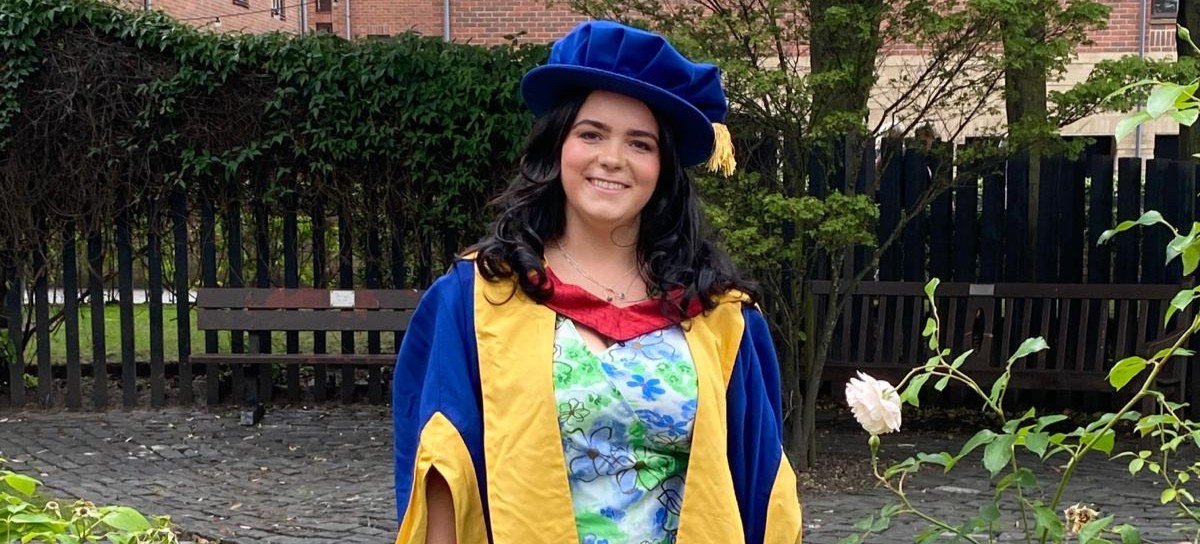
In recognition of International Women’s Day, Life throws the spotlight on women working in exciting STEM jobs in the North East. We caught up with Ellen Smith, a lecturer in psychology at Northumbria University, who also takes part in Life’s ‘I’m a Scientist’ programme, which gives schoolchildren the opportunity to talk to scientists, share their personal stories of their love of science and how it created career opportunities for them in the field.
I’ve always been interested in science and particularly enjoyed biology and chemistry and later psychology at school.
As I am a real foodie too, I thought I might end up being a chef or a food scientist. But when studying psychology, I learnt how what we eat can impact our brain function and health, so that career path felt like the perfect mix of my interest in food and science.
I was very lucky to have had brilliant science teachers throughout school and I also loved visiting Life Science Centre – I had my 9th birthday party there.
After my GCSEs and A levels, I went to Northumbria University where I completed a BSc degree in Psychology. After that I did a one year masters course (Master of Research in Psychology) and then I did my PhD after that.
I did hit a few obstacles along the way. Academia can be a bit of a rollercoaster ride and that definitely comes with self-doubt and imposter syndrome. It’s also very competitive.
I’m now a Lecturer in Psychology at Northumbria University and Associate Director of the Brain, Performance and Nutrition Research Centre. My research looks at how what we eat can impact brain function and our health more broadly. At the moment a lot of my work looks at Lion’s mane mushrooms and our brain health.
The most enjoyable part of my job is the variety of the role; my days look very different! One day I’m in the lab running a trial or managing the team and then the next I’m in a lecture hall or having meetings with students about their dissertation.
One of the best parts is when our research reaches people beyond academia, through speaking to the media or doing different public engagement events. I’m really passionate about making sure our work is accessible and meaningful to people and not just locked away in academic journals.
I’m also really interested in tackling nutrition misinformation, there’s so much of this out there, especially on social media.
We need to have more visible role models for girls to encourage more females into STEM careers. This should include women at all career stages, not just those at the very top of their field and also show their real journeys and their setbacks.