
In recognition of International Women’s Day, Life throws the spotlight on women working in exciting STEM jobs in the North East. We caught up with mechanical engineer Ruth Augarde, who also takes part in Life’s ‘I’m a Scientist’ programme, which gives schoolchildren the opportunity to talk to scientists, share their personal stories of their love of science and how it created career opportunities for them in the field.
I think I was always curious about the world, and found it really cool how some quite simple laws govern how everything in the universe works.
At first, I was interested in biology and medicine and it was only later in school when I got really interested in physics, and in how structures and machines work.
As I started to think about what to do after school, I knew I wanted a career that was interesting where I could also make a difference for people or for the planet.
I was lucky in that my dad was an engineer, which meant I could see what engineering looked like, and how studying science could take me into lots of different careers.
I also had a few great teachers who really brought science to life and taught me how to think like a scientist.
After my GCSEs, I took A Levels in maths, physics, French, and further maths before studying for a master’s in mechanical engineering.
I am now a mechanical engineer working for an engineering consultancy. A lot of my work is about helping nuclear power stations and wind turbines operate safely and efficiently.
I really like doing projects where I can see the impact they have in real time, especially on helping the UK move to lower carbon electricity – like when calculations I did provided some important evidence to allow a power station to continue generating electricity.
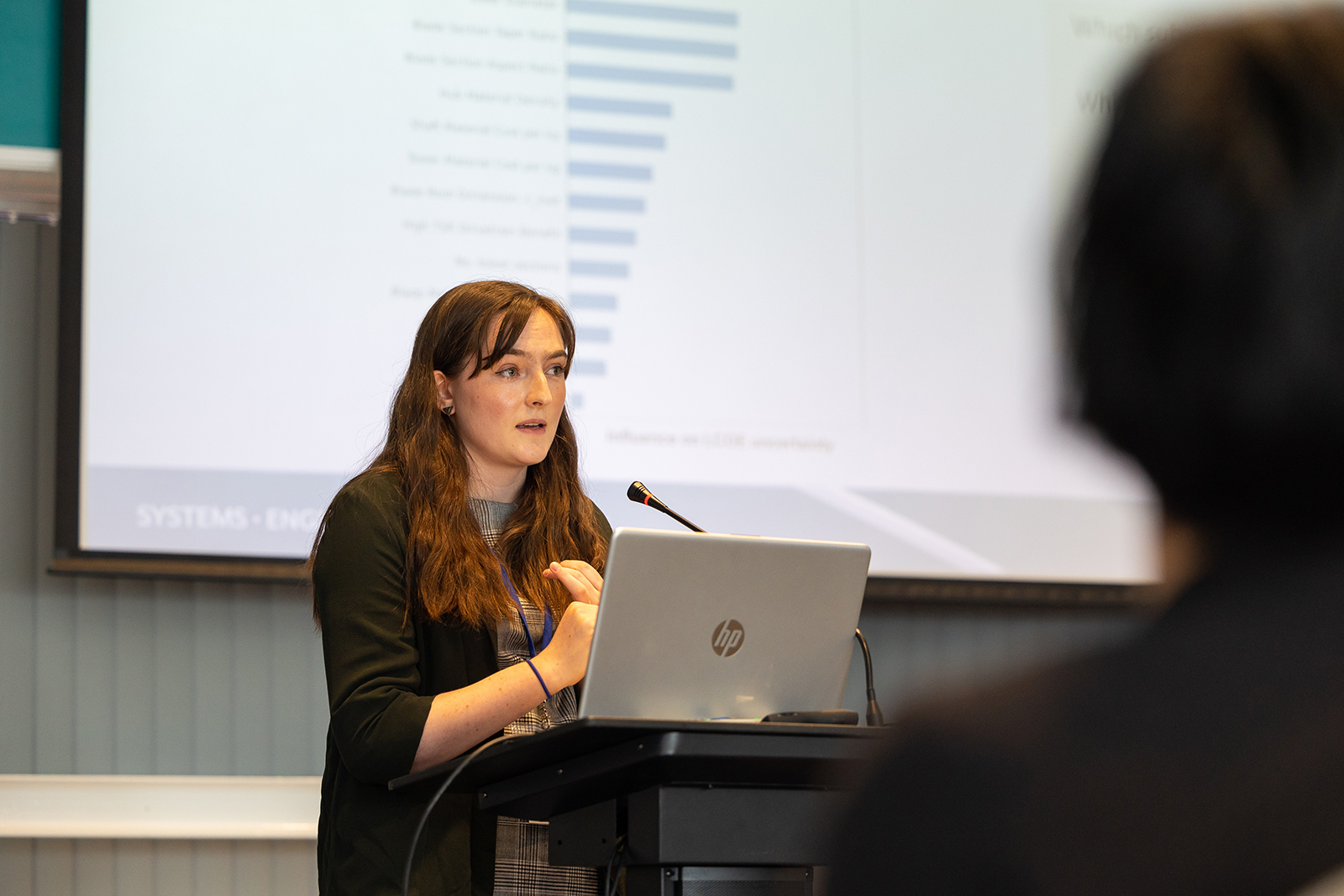
One of my goals is to go to more conferences and events to share ideas with other scientists and engineers. I have presented my work at conferences before and really enjoyed it, even though it was super scary! Communication is super important for science to have real-world impact!
Tricky science problems like low carbon electricity need more people with the skills and drive to make a difference – and it doesn’t matter what their gender or background is.
Science can be a really fun and fulfilling career, with so many options to choose from. I think girls and women who have an interest can be discouraged by messages they hear, and by the idea that they might not be good enough.
I try to help by showing up as a visible and authentic role model – I’m not a genius, I don’t get everything right all the time, but I bring energy, curiosity, and creativity to my job each day.