
It’s World Space Week, so we’re celebrating the people, ideas and opportunities that connect us to space, including the space careers happening right here in the North East.
When we launched Space Zone back in 2019, we wanted to show that a career in space isn’t just something you had to leave home for to pursue. The North East is home to universities, research organisations and businesses working across a wide range of space-related fields, with many different routes into the industry.
As part of Space Zone, we created a series of career totems showcasing real people and the different paths they had taken into the world of space. They were designed to show young visitors and their families that there are real careers behind the science they were exploring, and that there are lots of different ways to work in the space sector. From astrophysics and planetary science to space law and scientific research, they highlighted just how varied a space career can be.
For World Space Week, we’ve been looking back at four of those people to see where their careers have taken them since we first featured them at Life seven years ago.
Chris Toth – dark matter research
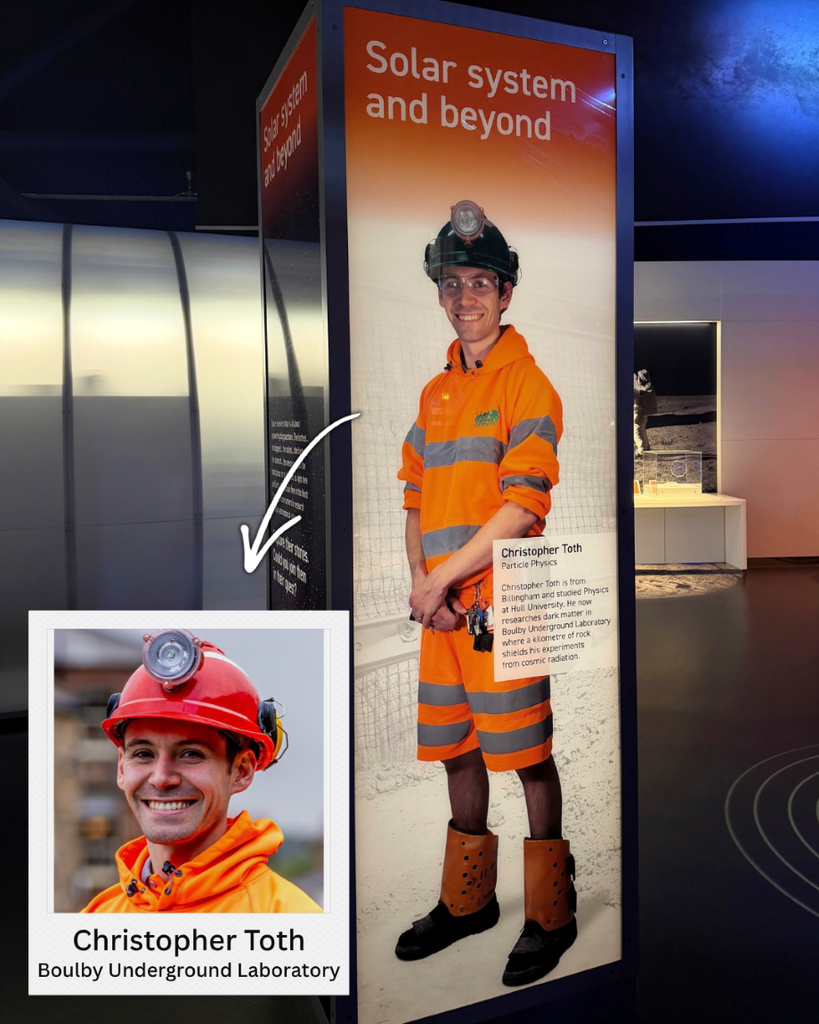
Chris Toth now works as a Facility Scientist at the Science and Technology Facilities Council’s Boulby Underground Laboratory in North Yorkshire.
Seven years ago, when we spoke to Chris for our Space Zone career totems, he was researching dark matter at Boulby, 1km underground. Today, his work has continued to develop, and he’s involved in research and development for DarkSPHERE, a detector designed to search for low-mass dark matter.
His route into research wasn’t entirely conventional. After studying physics at the University of Hull, Chris worked in teaching before becoming a forklift truck driver – a role which unexpectedly helped him secure an opportunity at Boulby Underground Laboratory.
Alexandra Taylor – space law
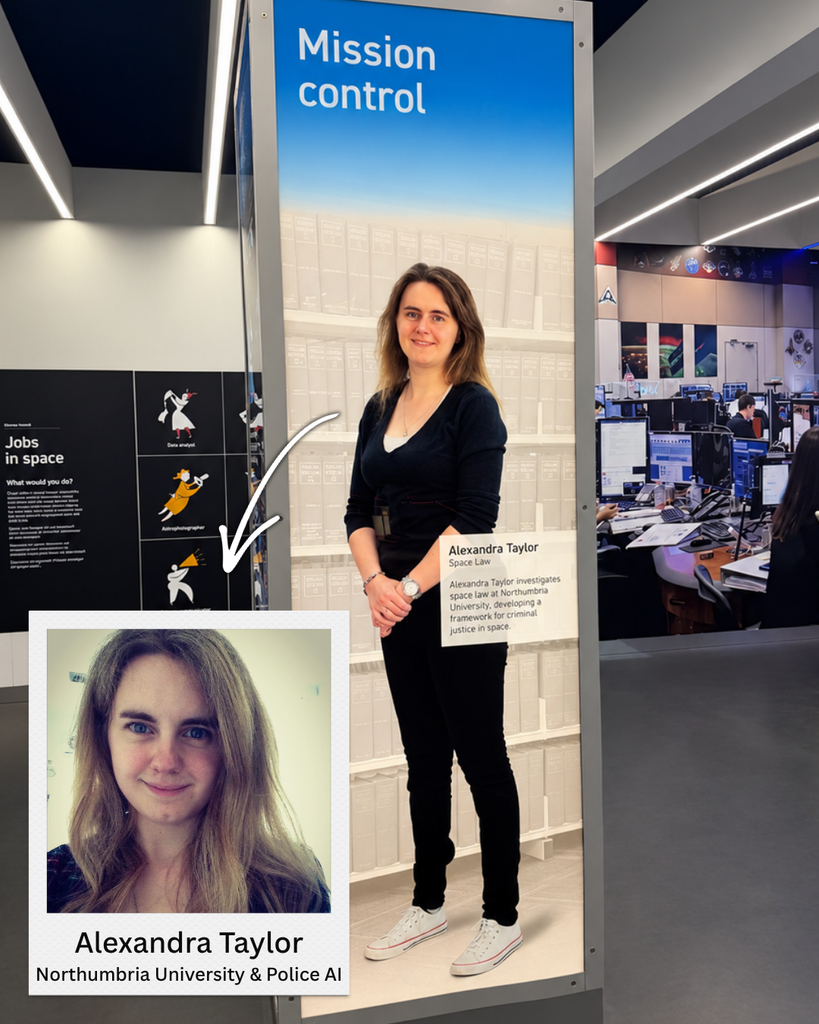
Alexandra has continued to build her career in space law at Northumbria University. When we originally spoke to her, she was investigating space law and developing a framework for criminal justice in space. Today, Alex has completed her PhD in space law and continues her work at Northumbria as an Associate Lecturer and research associate, including working on a collaborative project between Northumbria University and Police AI, the new national centre dedicated to the responsible development of AI in policing.
Her research looks at the legal and ethical questions surrounding space exploration, including illegality in outer space and responsible research during long-duration spaceflight. She will also begin a postdoctoral fellowship at Northumbria Law School in October, continuing to develop and share her doctoral research.
Ramin Lolachi – planetary science at NASA
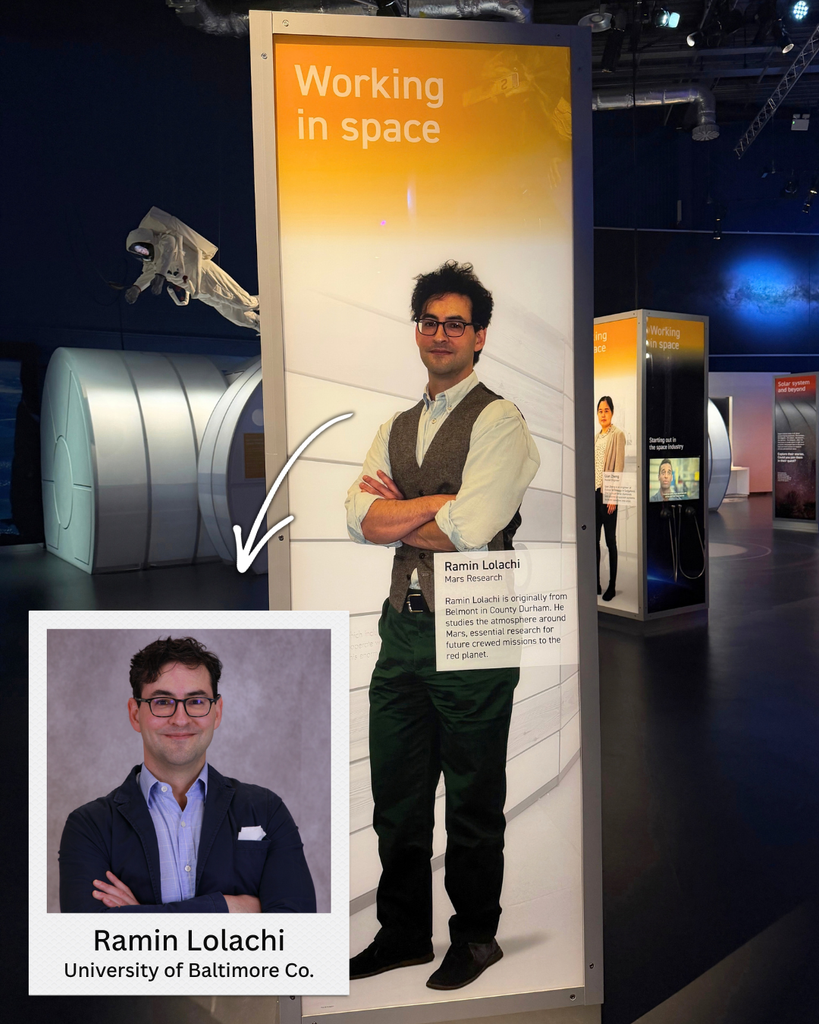
Ramin Lolachi is now an Assistant Research Scientist for the University of Maryland, Baltimore County (UMBC), based at NASA’s Goddard Space Flight Center in the US.
When we first spoke to Ramin, his research was focused on the atmosphere of Mars. Since then, his work has expanded across the Moon, Mars and asteroids, including studying lunar dust, the Martian atmosphere and the effects of asteroid impacts.
He was also part of the investigation team for NASA’s DART mission, which tested asteroid deflection as a potential planetary defence technique. Ramin’s current research on lunar dust is helping scientists better understand the Moon’s surface and the challenges it could pose for future robotic and human exploration, while his work on Mars continues to explore the planet’s atmosphere and how it has changed over time.
Anna Genina – exploring galaxy formation
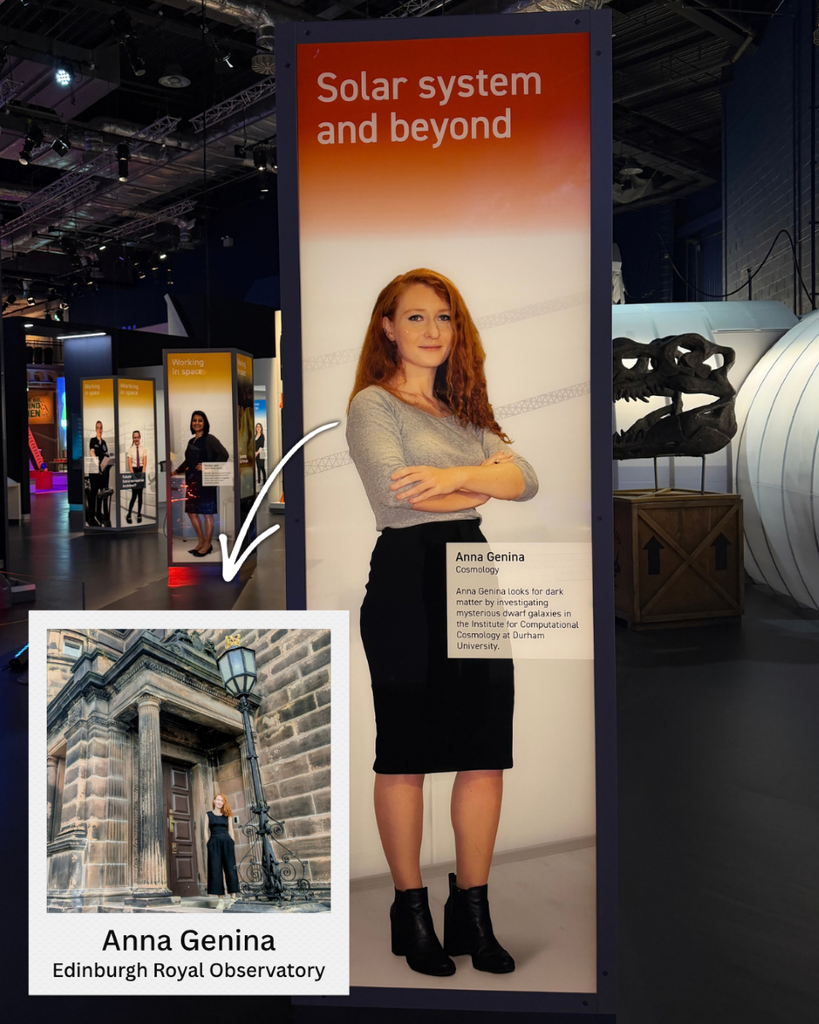
After completing her PhD at Durham University, Anna Genina spent five years researching galaxy formation at the Max Planck Institute for Astrophysics in Germany.
Seven years ago, when we spoke to Anna, her research focused on using dwarf galaxies to investigate dark matter. Since then, her work has expanded into studying how galaxies form and evolve, using both computer simulations and observations from major telescopes.
She is now based at the Royal Observatory in Edinburgh, where she studies the faint outer regions of galaxies, known as stellar haloes. By comparing observations with computer simulations, Anna can investigate how galaxies have formed and changed over time.
This work could also help scientists narrow down the nature of dark matter and dark energy, two of the biggest unanswered questions in astronomy.
Inspired to find out where your own interest in space could take you? Come and explore Space Zone on your next visit to Life. From planets and the Solar System to space exploration and the technology that helps us understand our Universe, there’s plenty to discover – and who knows where it might lead?